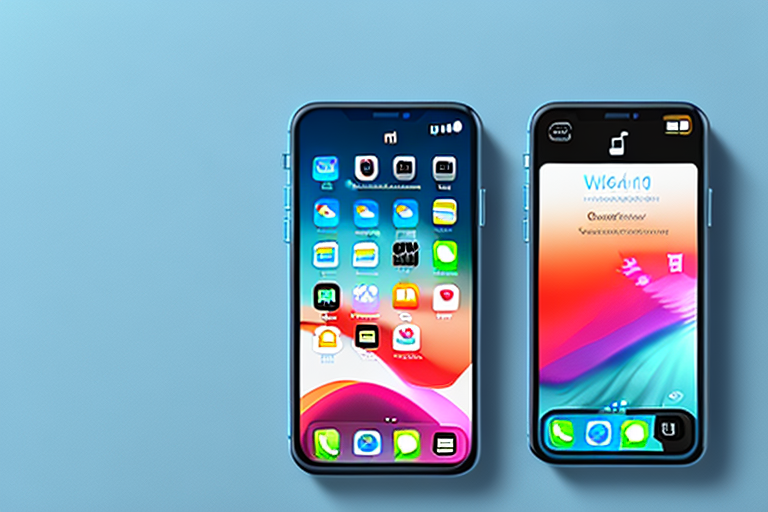
Taking a screenshot on your iPhone 10 can be a useful way to capture and save important information, memorable moments, or simply to share something interesting with others. In this article, we will guide you through the process of taking a screenshot on your iPhone 10, as well as provide some tips and troubleshooting advice along the way.
Understanding the Basics of iPhone 10
Before we dive into the details of taking a screenshot, it’s essential to familiarize yourself with the key features and navigation of the iPhone 10. This will help you navigate through the interface and perform various tasks, including taking a screenshot.
The iPhone 10, also known as the iPhone X, is a revolutionary device that introduced several groundbreaking features to the world of smartphones. With its sleek design and powerful performance, it quickly became a favorite among tech enthusiasts and casual users alike.
Key Features of iPhone 10
The iPhone 10 boasts an array of impressive features that make it a beloved device among users. From Face ID, which allows for secure and convenient unlocking of your phone, to the edge-to-edge OLED display that provides a vibrant visual experience, the iPhone 10 is truly a powerhouse.
One of the standout features of the iPhone 10 is its Face ID technology. This advanced facial recognition system uses a combination of infrared sensors and machine learning algorithms to securely unlock your phone with just a glance. It’s not only fast and reliable but also incredibly secure, making it a convenient alternative to traditional passcodes or fingerprint sensors.
In addition to Face ID, the iPhone 10 also features an edge-to-edge OLED display. This stunning display offers true blacks, vibrant colors, and excellent contrast, providing an immersive visual experience for all your multimedia needs. Whether you’re watching movies, browsing photos, or playing games, the OLED display on the iPhone 10 delivers stunning visuals that are sure to impress.
Another noteworthy feature of the iPhone 10 is its powerful A11 Bionic chip. This custom-designed chip is built for speed and efficiency, allowing for seamless multitasking, smooth app performance, and enhanced graphics capabilities. Whether you’re editing photos, playing graphics-intensive games, or running demanding apps, the A11 Bionic chip ensures that your iPhone 10 can handle it all with ease.
Navigating the iPhone 10 Interface
Getting comfortable with navigating the iPhone 10 interface is essential for efficiently using your device. Familiarize yourself with the Control Center, Notification Center, and the various gestures and swipes that allow you to access different functions and apps.
The Control Center is a centralized hub that gives you quick access to essential settings and features. To access it, simply swipe down from the top-right corner of the screen. From there, you can adjust brightness, toggle Wi-Fi and Bluetooth, control media playback, and much more. Customization options are also available, allowing you to tailor the Control Center to your specific needs.
The Notification Center, on the other hand, is where you’ll find all your incoming notifications. To access it, swipe down from the top-left corner of the screen. Here, you’ll see a chronological list of notifications from various apps, including messages, emails, social media updates, and more. You can also interact with these notifications directly, such as replying to a message or dismissing an email.
When it comes to navigating the iPhone 10, gestures play a significant role. The absence of a physical home button means that you’ll rely on gestures to perform various actions. For example, to go back to the home screen, swipe up from the bottom of the screen. To access the app switcher, swipe up from the bottom of the screen and pause for a moment. These gestures may take some time to get used to, but once you’ve mastered them, navigating the iPhone 10 becomes second nature.
In conclusion, understanding the basics of the iPhone 10 is crucial for maximizing your experience with the device. From its impressive features like Face ID and the edge-to-edge OLED display to the intuitive navigation through gestures, the iPhone 10 offers a seamless and enjoyable user experience. Now that you’re familiar with the key features and interface, let’s explore how to take a screenshot on your iPhone 10.
Preparing to Take a Screenshot
Before taking a screenshot, there are a few things you should check to ensure optimal results. Let’s walk through the necessary steps to prepare your iPhone 10 for screenshotting.
Checking Your Settings
First, navigate to the Settings app on your iPhone 10. From there, scroll down and tap on “Display & Brightness.” Ensure that your device’s brightness is set to a level that will provide sufficient clarity for your screenshot.
Having the right brightness level is essential as it directly affects the quality of your screenshot. If the brightness is too high, the image may appear overexposed, making it difficult to discern details. On the other hand, if the brightness is too low, the screenshot may turn out too dark, obscuring important elements.
By adjusting the brightness to an optimal level, you can capture a screenshot that accurately represents the content on your iPhone 10’s screen.
Ensuring Optimal Screen Brightness
Adjusting the brightness of your screen is crucial for capturing the details you want in your screenshot. Too much brightness can wash out the image, while too little brightness may result in a dark and unclear screenshot. Find the right balance that suits your needs.
Consider the environment in which you plan to use the screenshot. If you’re in a well-lit area, increasing the brightness can help ensure that the screenshot appears vibrant and clear. However, if you’re in a dimly lit room or capturing a screenshot of a night-time scene, reducing the brightness can create a more accurate representation of what you see on your iPhone 10’s screen.
Experimenting with different brightness levels can help you find the perfect setting for your specific screenshot needs. Remember, the goal is to capture the content on your screen with clarity and accuracy.
Step-by-Step Guide to Taking a Screenshot
Now that you’ve familiarized yourself with the basics and prepared your device, it’s time to dive into the different methods you can use to take a screenshot on your iPhone 10.
Using the Button Method
The simplest and most commonly used method to take a screenshot on the iPhone 10 is by using the physical buttons. Locate the Side button (previously known as the Sleep/Wake or Power button) on the right side of your device and the Volume Up button on the left side. Simultaneously press and release these buttons to capture the content on your screen.
Taking a screenshot using the button method is quick and easy. It allows you to capture anything on your screen, whether it’s a funny meme, an important message, or a beautiful landscape. Once you’ve pressed the buttons, you’ll hear a satisfying camera shutter sound, indicating that the screenshot has been successfully taken. The screenshot will then be saved in your Photos app, ready for you to view and share.
Using the Assistive Touch Method
If you prefer using an alternative method, you can also take a screenshot using the Assistive Touch feature. To enable Assistive Touch, go to Settings, tap on “Accessibility,” then “Touch,” and finally “Assistive Touch” to turn it on. A small white circle will appear on your screen. Tap on it, select “Device,” then “More,” and finally “Screenshot.” Your screenshot will be captured and saved in your Photos app.
The Assistive Touch method provides a convenient option for those who may have difficulty pressing physical buttons or prefer a more accessible way to take screenshots. By enabling Assistive Touch, you can access a variety of functions with just a few taps. Taking a screenshot is made even easier with this method, as you can simply tap on the Assistive Touch icon, navigate to the screenshot option, and capture the content on your screen.
Whether you choose to use the button method or the Assistive Touch method, taking a screenshot on your iPhone 10 is a breeze. Experiment with both methods to find the one that suits your preferences and needs. With the ability to capture and save important information, funny moments, or beautiful memories, screenshots have become an integral part of our digital lives. So go ahead, start capturing and sharing your favorite moments with the world!
Editing and Sharing Your Screenshot
Once you’ve successfully taken a screenshot, you may want to make some adjustments or share it with others. Let’s explore the options available for editing and sharing screenshots on the iPhone 10.
Accessing Your Screenshots
You can find your screenshots in the Photos app under the “Screenshots” album. From there, you can view, delete, or organize your screenshots as desired.
Basic Editing Tools
If you need to make some minor adjustments to your screenshot, the built-in editing tools in the Photos app can be handy. They allow you to crop, rotate, or even add annotations to enhance the screenshot.
Sharing Your Screenshots
Sharing your screenshots with others is a breeze on the iPhone 10. You can send screenshots via messages, email, social media platforms, or share them directly with compatible apps installed on your device. Choose the sharing method that suits your needs and follow the prompts to send your screenshot to the intended recipient.
Troubleshooting Common Issues
As with any technological device, there may be times when you encounter issues or difficulties while taking a screenshot on your iPhone 10. Here are a few common problems and their possible solutions.
What to Do if Screenshots Aren’t Saving
If you find that your screenshots are not saving to your Photos app, there are a couple of things you can try. First, ensure that your device has sufficient storage available. If storage is not the issue, try restarting your iPhone 10 or updating your iOS to the latest version to resolve any software-related conflicts.
Fixing Unresponsive Buttons
In some cases, your iPhone 10’s physical buttons may become unresponsive, making it challenging to take a screenshot using the button method. If this occurs, you can utilize the Assistive Touch feature mentioned earlier to continue capturing screenshots without relying on the physical buttons.
By following the steps and tips outlined in this article, you are now equipped with the knowledge to confidently take and manage screenshots on your iPhone 10. Whether you need to save important information, capture memorable moments, or share interesting content, capturing screenshots has never been easier.
Enhance Your Screenshots with GIFCaster
Now that you’re a pro at capturing screenshots on your iPhone 10, why not take them to the next level with GIFCaster? Add a touch of fun and creativity to your screenshots by incorporating animated GIFs. Whether you’re celebrating a milestone or just want to make your work messages more engaging, GIFCaster is the perfect tool for creative self-expression. Ready to transform your screenshots into something extraordinary? Use the GIFCaster App today and start sharing your enhanced captures with the world!